

 17:03
17:03


BUY THIS FILM
Purchase the full scene.
Download in 4K or Full HD.
€ No subscription. Pay once, retain ownership forever.
JOIN SITE
Watch this scene online and all 200+ scenes in 4K on Hentaied.com
Get access to new releases.
from € 0.99 / day Discreet billing, will be marked as “RomeroBill”, cancel any time.
PURCHASEJOIN PRO SITE
Watch this scene and all 700+ scenes in 4K on Hentaied.pro
Get access to new releases in all 12 projects with one subscription.
from € 2.33 / day Recurring payment, discreet billing, cancel any time.
PURCHASE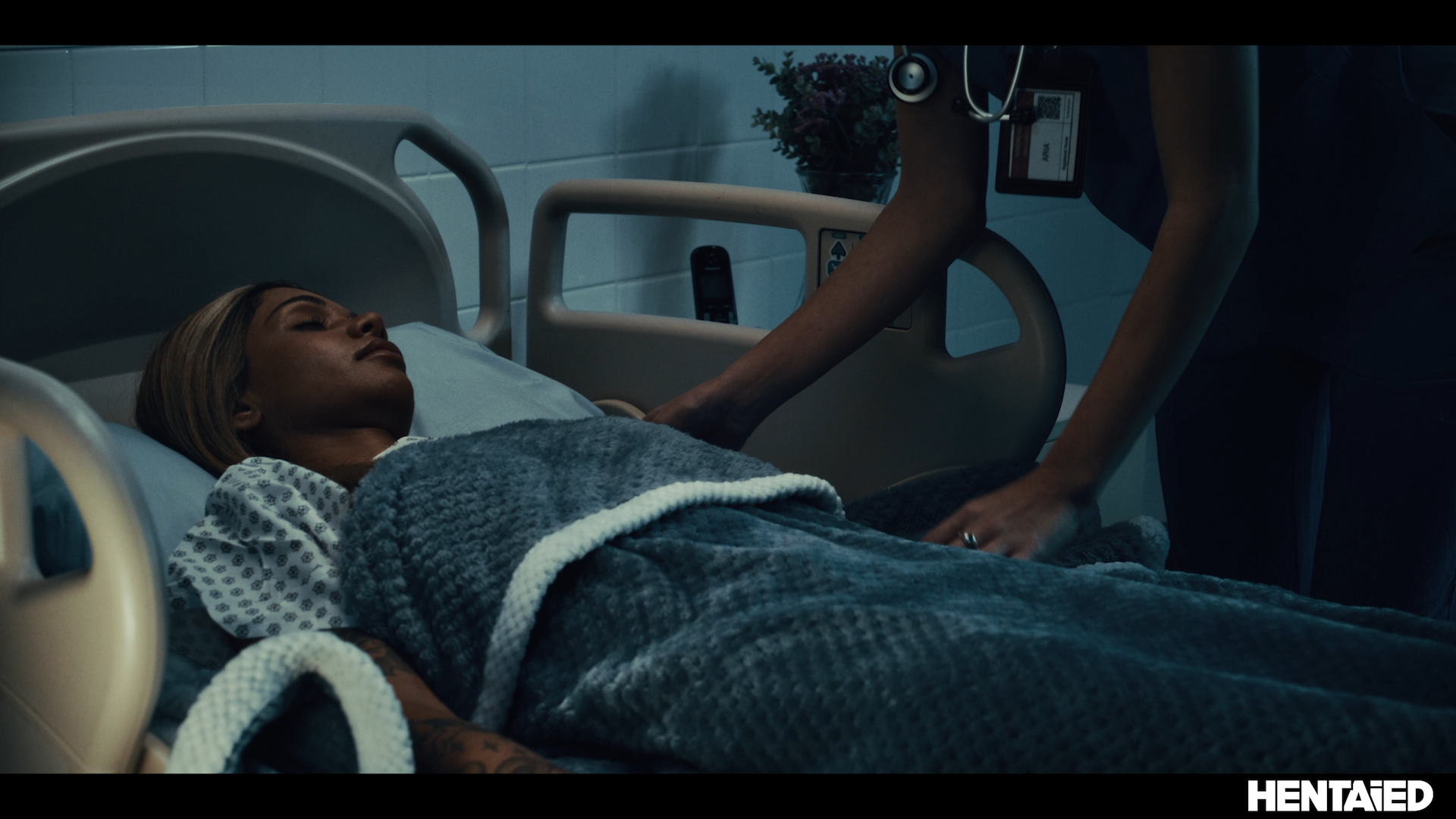
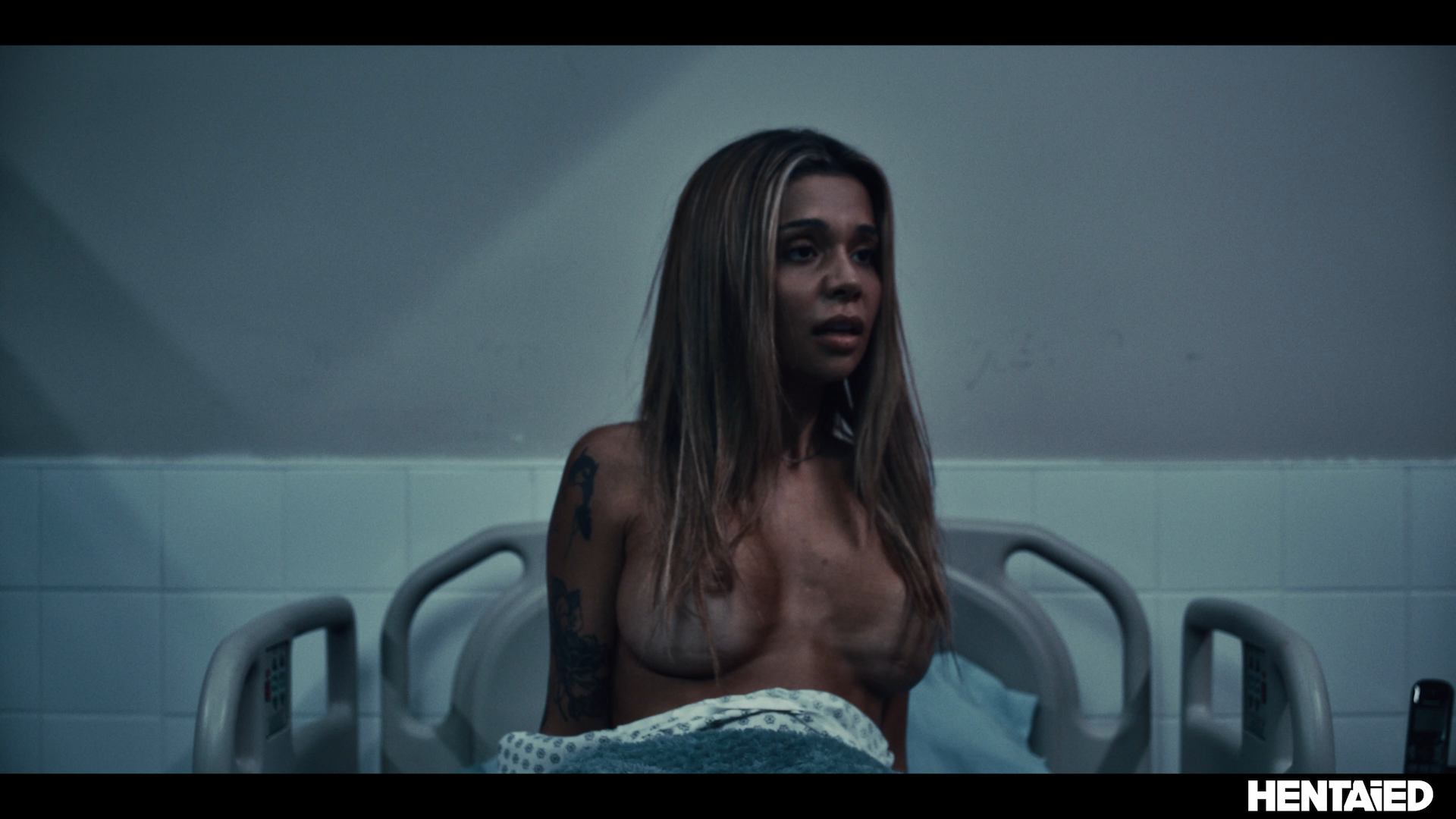
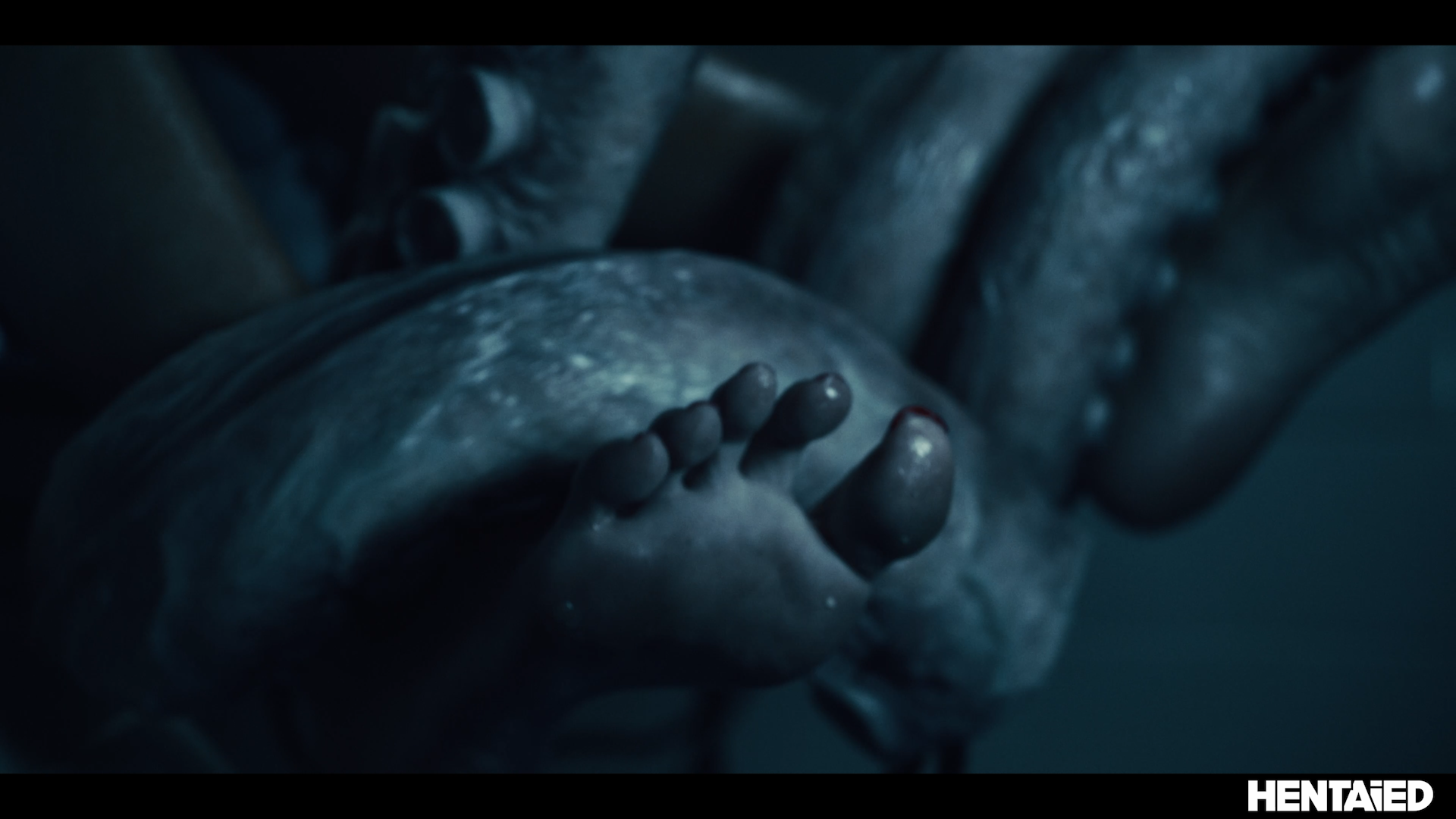
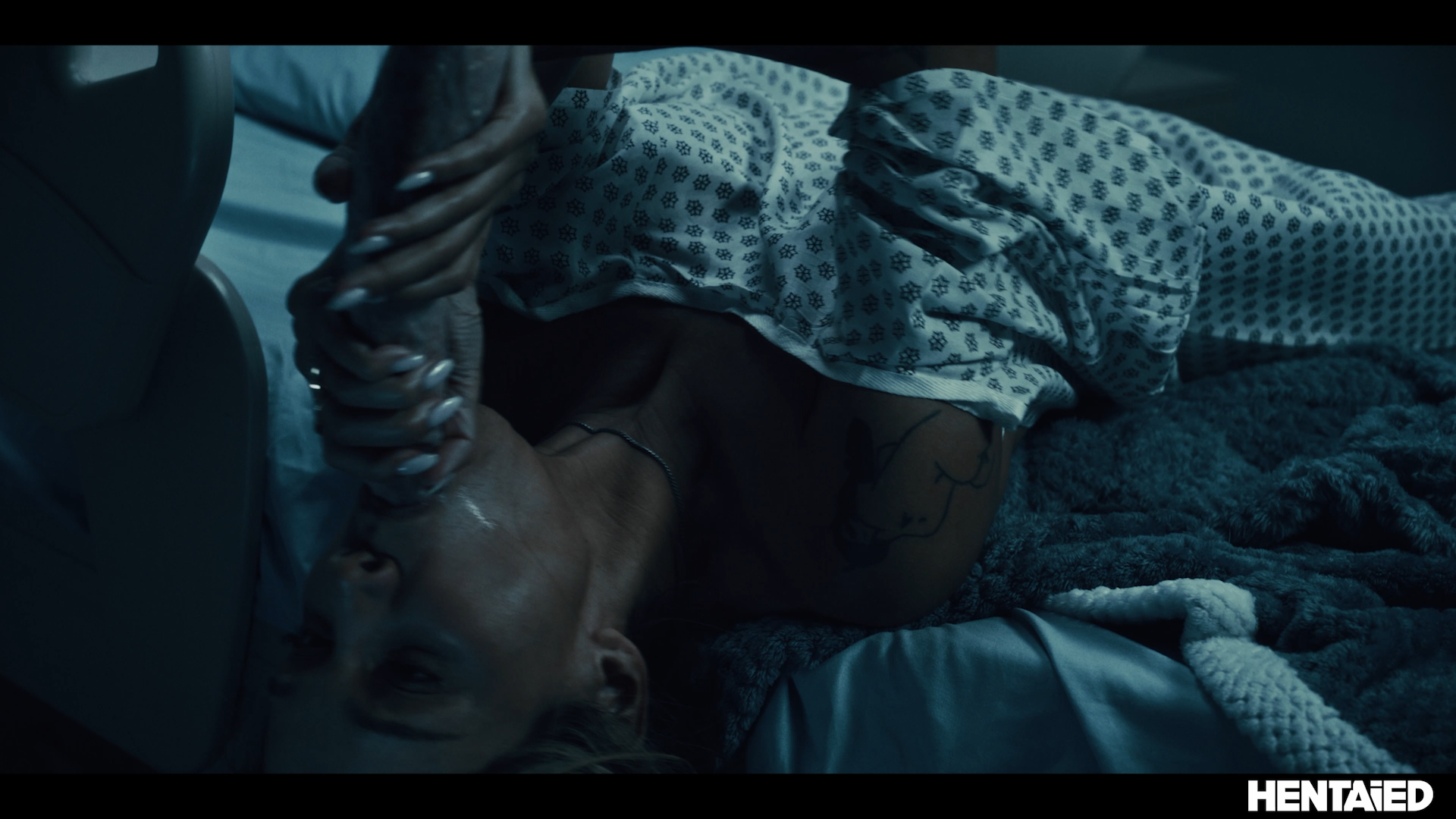
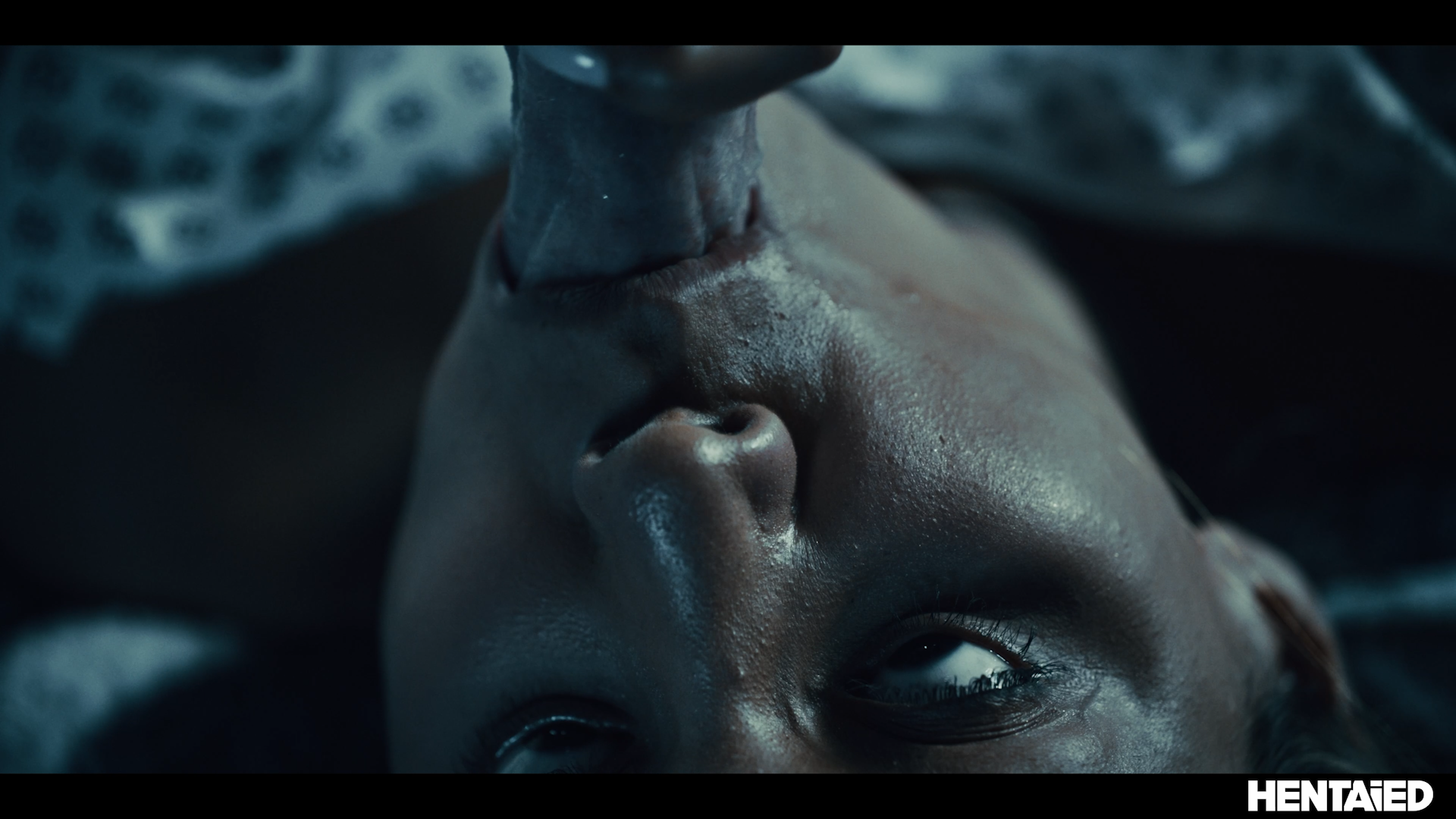
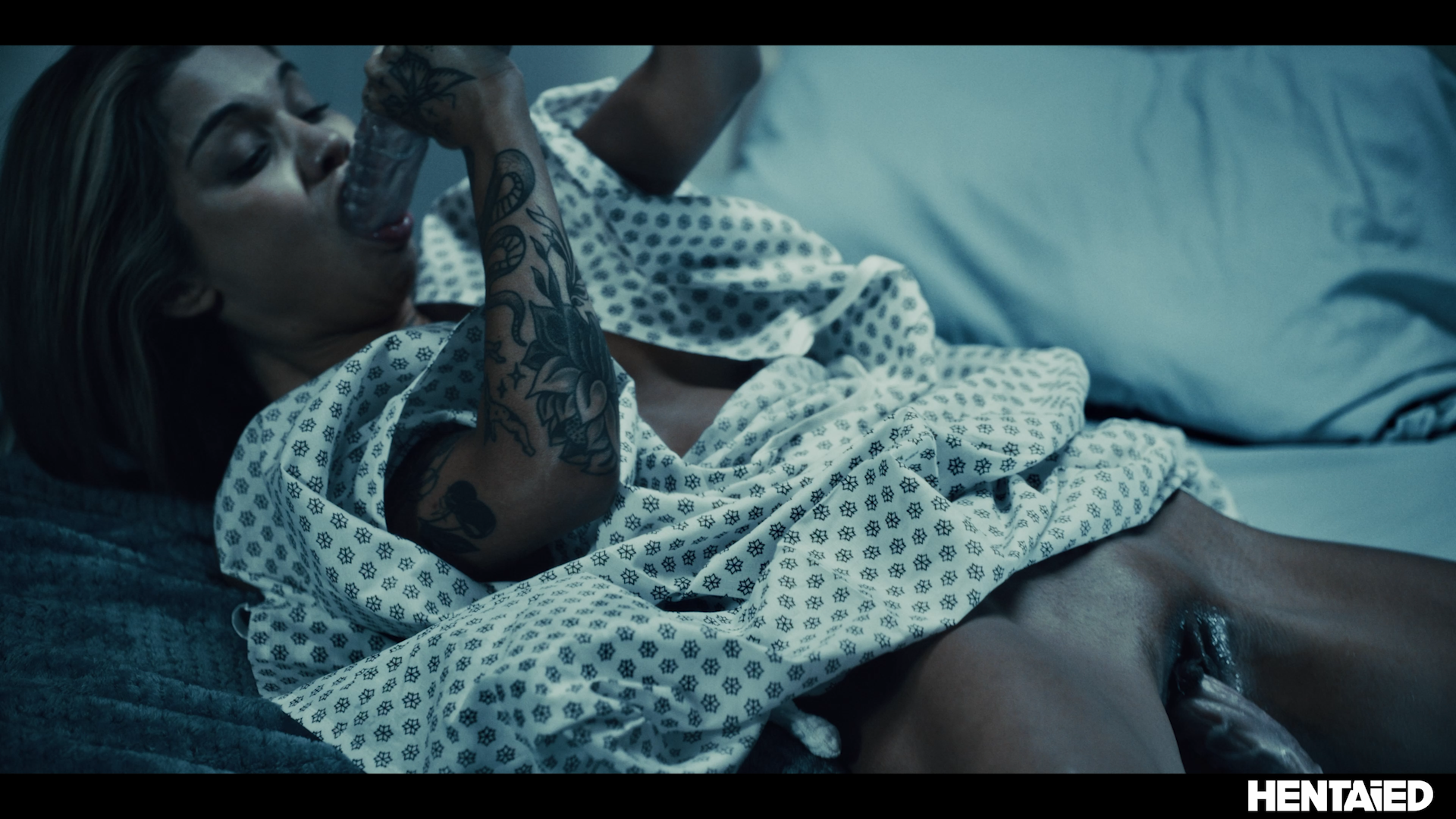
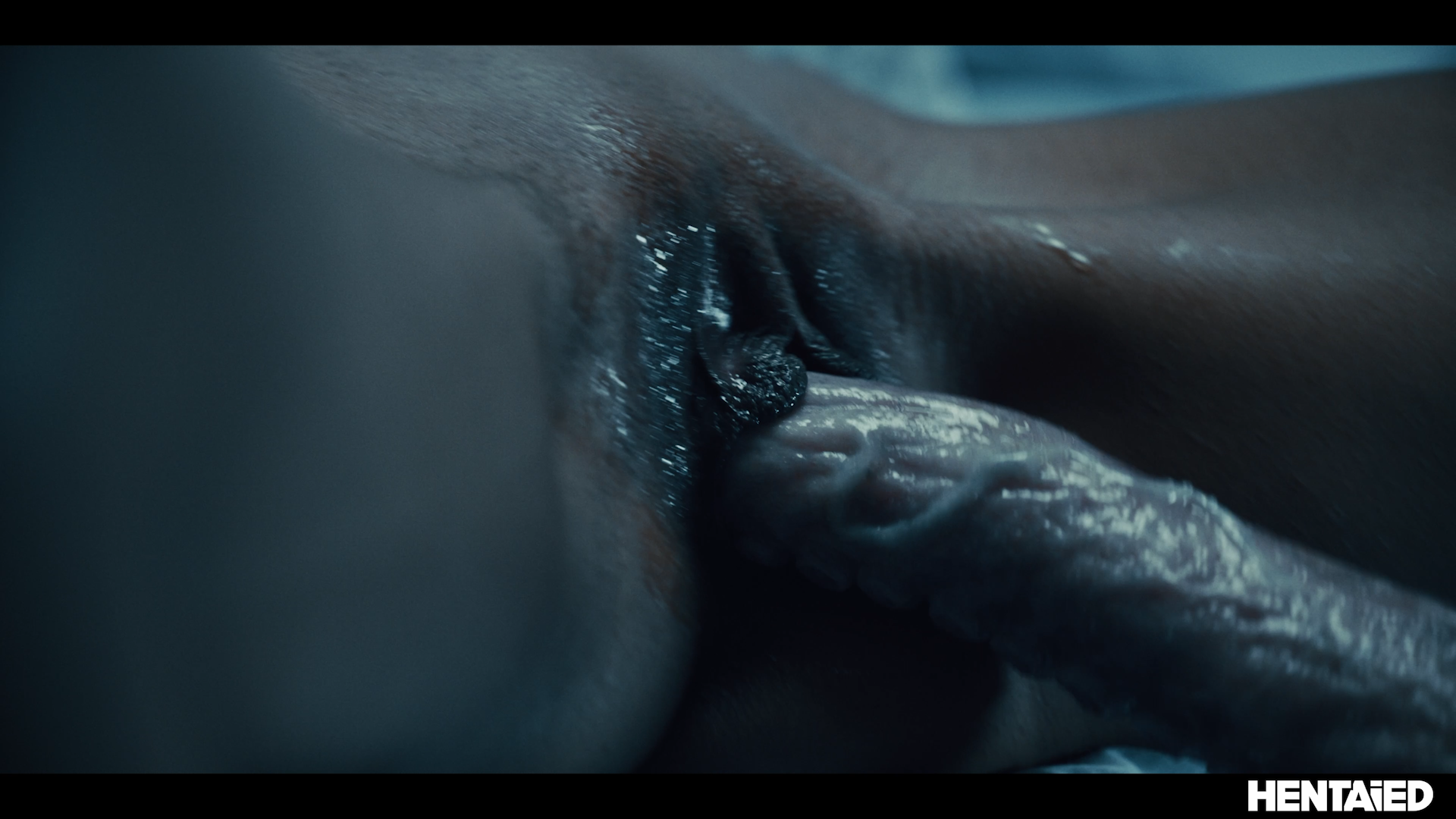
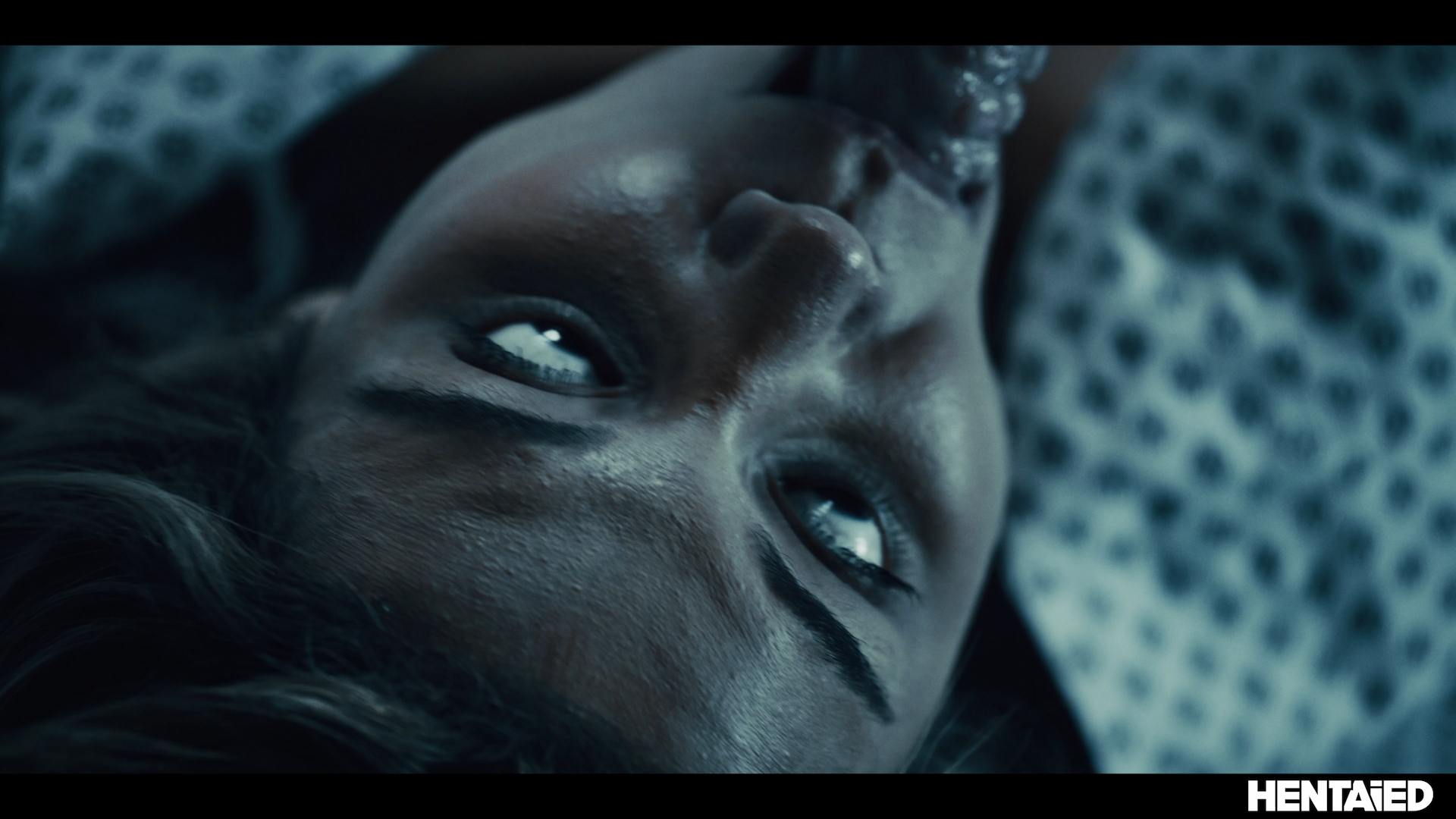
Technical Breakdown: Rendering the Coma State & CGI Rigging
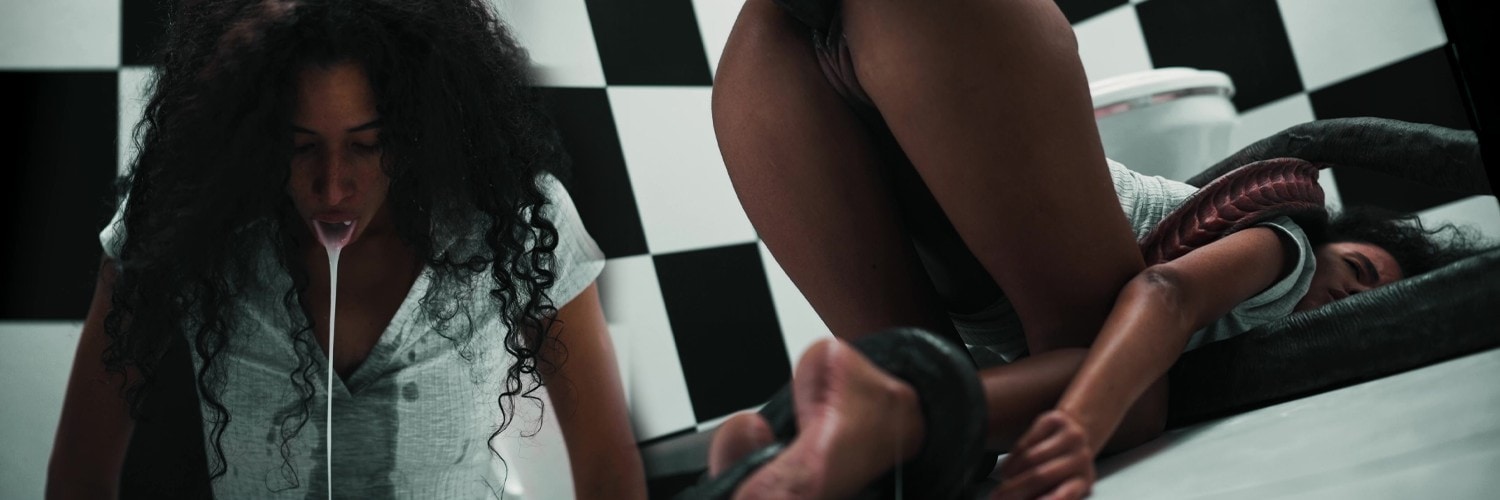
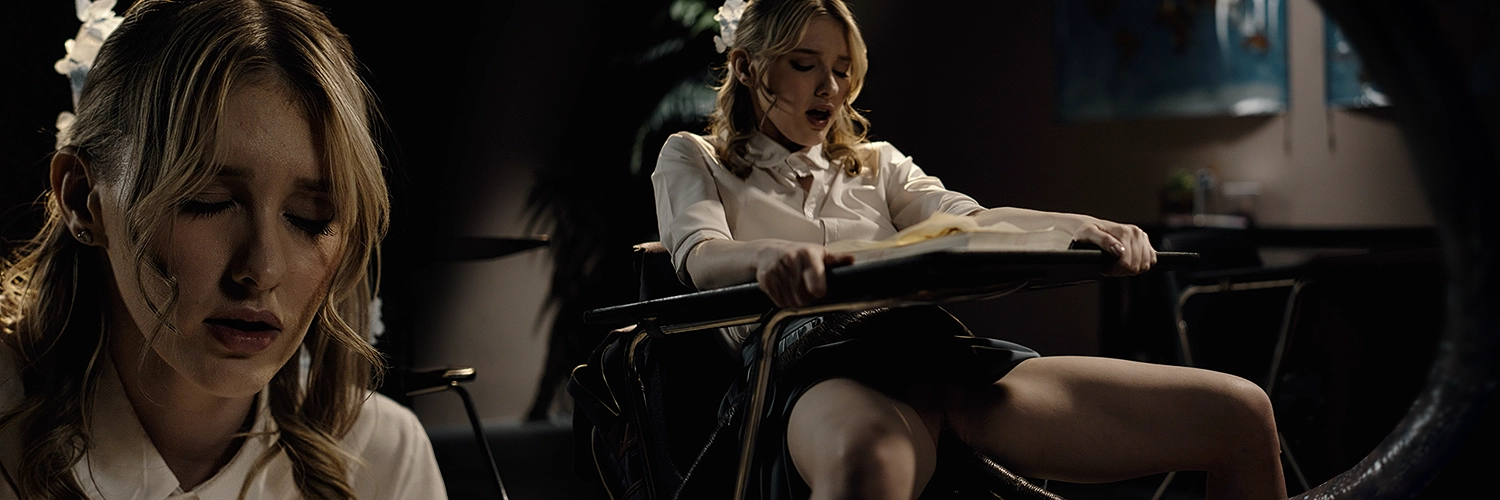
Developing the visual effects for Dream Turned Nightmare required an entirely new approach to environment lighting and spatial rendering. When casting Aria Sloane and Ava Amira, our primary technical objective was to build a convincing transition between a sterile, high-key hospital environment and an aggressive, low-light xenobiological dreamscape.
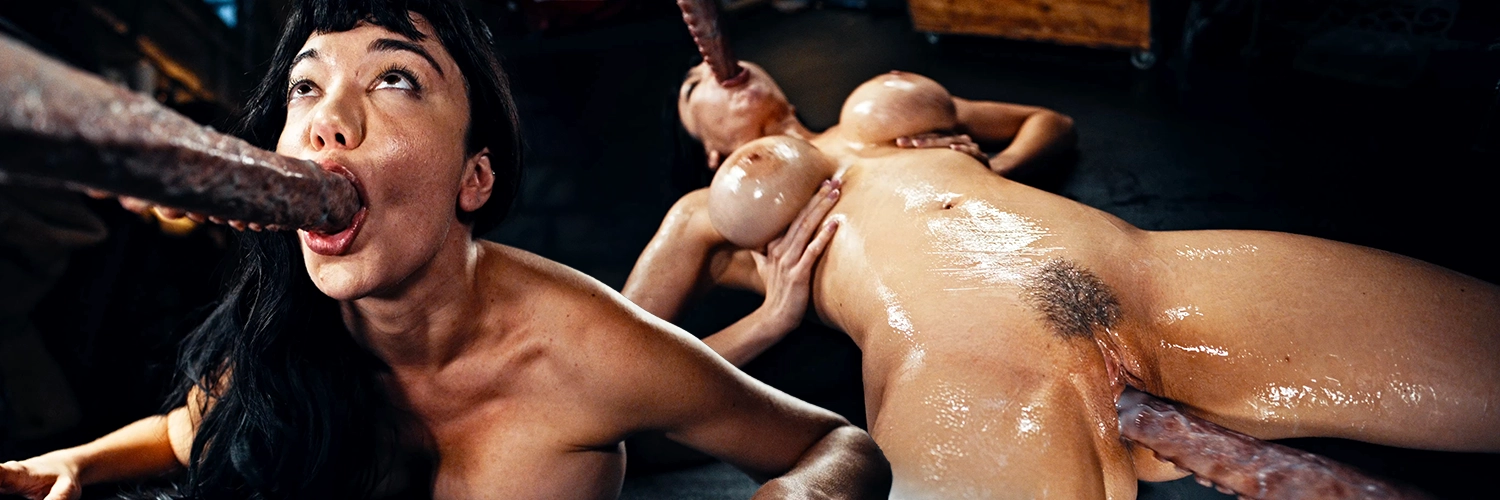
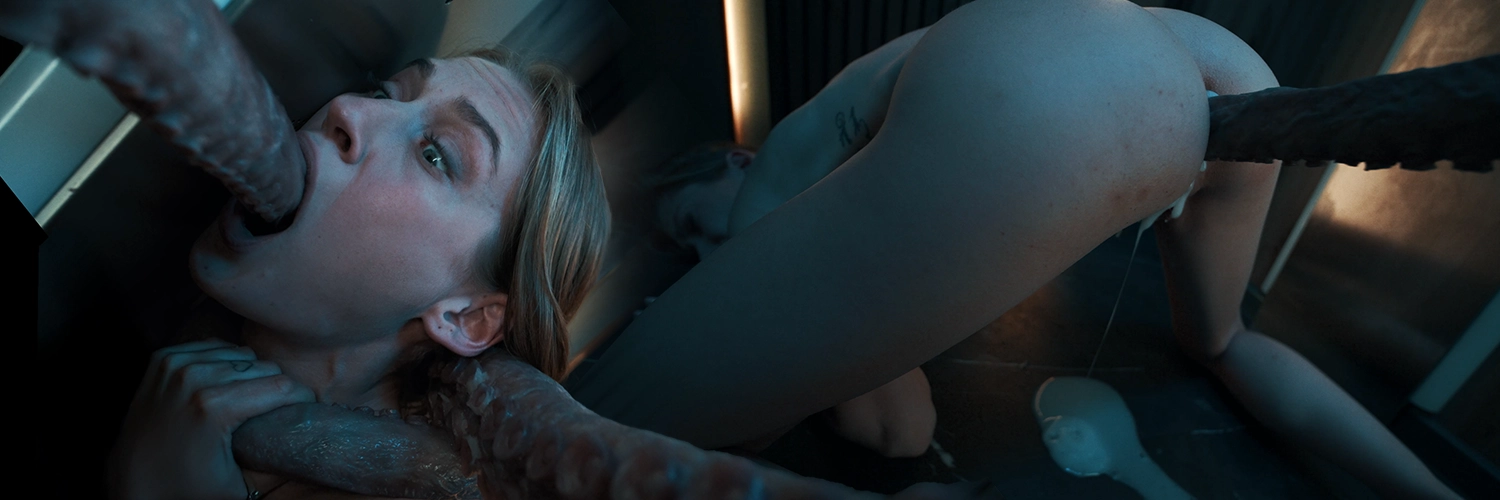
For Hentaied Dream Turned Nightmare, the performers had to begin from a simulated coma-state baseline, which intentionally restricted physical movement. To prevent the frame from becoming static, our CGI team programmed the fleshy tentacles with hyper-kinetic inverse kinematics, giving the digital assets the primary motion role while the actresses maintained controlled reaction timing.
Dream Turned Nightmare Hentai became the search-facing genre label for this release, while Aria Sloane Ava Amira Dream Turned Nightmare defines the performer-title production branch. Aria Sloane Ava Amira Dream Turned Nightmare by Hentaied preserves the full source-level archive label, connecting the scene to dual-performer hospital staging, nightmare-transition lighting, and prone-body creature interaction.
The most complex challenge was mapping subsurface scattering on the alien entities as they moved across the actresses’ stationary forms. We had to ensure the 8K textures reacted correctly to fluorescent hospital light, low-key dream lighting, and high-density digital tracking. The final release works because biomechanical rigging, fluid-residue simulation, lighting transition, performer restraint, and Hentaied’s inner-self nightmare lore operate inside one coherent CGI pipeline.


0 Comments